





Why Serious Runners Still Use a Wahoo Heart Rate Strap (Even If They Own a Smartwatch)
Many runners trust the heart rate reading on their watch. It is easy, always there, and good enough for daily steps or an easy jog. But when training becomes more structured, small errors in heart rate can lead to big mistakes in pacing.
Wrist sensors work by shining light into the skin to track blood flow. That method can struggle when your arm is moving fast, when it is cold, or when sweat builds up. The result is often a delay in heart rate changes or numbers that drift during harder efforts. Over time, this can mean running too hard on easy days or not hard enough during key workouts.
That is why more athletes are turning back to the Wahoo heart rate strap. It offers more direct and stable readings, helping runners train with greater control and confidence.
The Accuracy Problem Most Runners Don’t Notice
During a steady jog, a watch-based sensor may look fine. The numbers change slowly, and small errors are hard to spot. Problems show up when effort changes quickly.
Think about interval training. You start a hard repeat, but your watch still shows your easy-run heart rate for several seconds. By the time the number climbs, you are already deep into the interval. This lag can make it hard to stay in the right zone.
Cold weather is another challenge. Blood flow in the wrist can drop when it is cold, which can affect readings. Sweat and loose watch straps can also cause the signal to bounce around. These issues may seem small, but they add up. Training decisions based on shaky data can slow progress.
Why Chest Straps Are Still the Gold Standard
Chest straps measure the electrical signals that trigger each heartbeat. This is similar to how medical heart monitors work. Because the sensor sits close to the heart and reads electrical activity, it reacts instantly to changes in effort.
Brands like Wahoo Fitness have built strong reputations in endurance sports by focusing on reliable, athlete-focused tools. A Wahoo heart rate strap connects directly to watches and training apps, giving runners real-time feedback they can trust.
When your heart rate jumps during a sprint or settles during recovery, a chest strap shows it right away. That quick response helps you hit the right intensity, not guess.
Why the Wahoo Heart Rate Strap Is So Popular
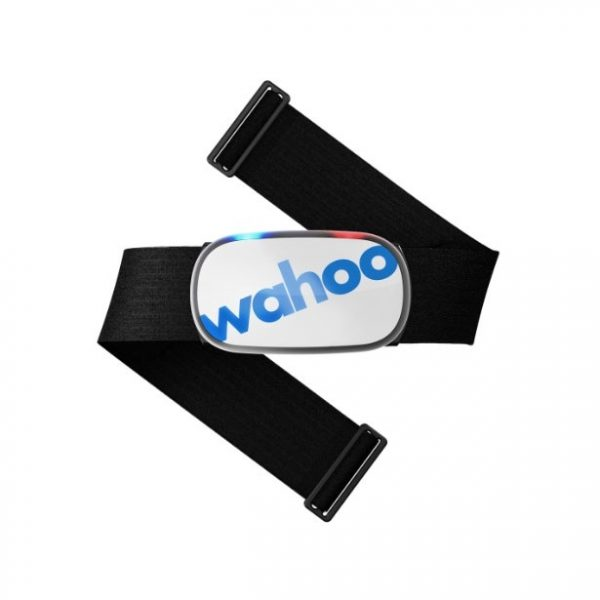
One of the most common models we see runners using is the Wahoo TICKR. It is known for being light, comfortable, and easy to pair with different devices.
The Wahoo heart rate strap stands out during interval sessions. Heart rate rises fast, and the strap captures that change without delay. During tempo or threshold runs, where holding a steady effort matters, the data stays stable instead of drifting.
Comfort also matters. Modern straps are slim and sit flat against the chest, so most runners forget they are wearing one after a few minutes. The strap connects through Bluetooth and ANT+, which means it works with many watches, bike computers, and apps.
When Watch Heart Rate Struggles
Certain workouts show the limits of wrist-based sensors more clearly.
| Workout Type | Watch Heart Rate Issue | What a Chest Strap Fixes |
| Intervals | Heart rate lags behind effort | Instant response to spikes |
| Tempo runs | Readings slowly drift | Steady, reliable zones |
| Hill repeats | Arm swing affects the signal | Accurate tracking under load |
In these sessions, a Wahoo heart rate strap helps you see what your body is actually doing, not what the sensor guesses a few seconds later.
The Rise of Zone-Based Training
More runners now follow structured plans built around heart rate zones. Zone 2 training, which focuses on steady aerobic effort, has become popular for building endurance without too much stress. Lactate threshold sessions are used to improve speed that can be held for longer periods. Marathon plans often mix both.
All of this depends on knowing your real heart rate. If your easy runs are too hard because the reading is low, you may not recover well. If your hard sessions look easier than they are, you might push too far and risk burnout.
Using a Wahoo heart rate strap helps set clear baselines. Once your zones are correct, you can train with purpose instead of guessing how hard you are working.
Why Buying From a Running Specialist Matters
Technology works best when it is set up properly. At Pure Running, we help runners pair their Wahoo heart rate strap with their watch or app and explain how to use heart rate zones in training. We also stock replacement straps and accessories, so your monitor keeps working season after season.
We see heart rate not just as numbers on a screen, but as a tool to guide smarter training. When runners understand what the data means, they make better choices on easy days and key workouts.
Final Thoughts
Smartwatches are convenient, but convenience is not always the same as precision. For runners who follow structured plans, small improvements in data quality can lead to better pacing, steadier progress, and fewer training mistakes.
A Wahoo heart rate strap offers clear, responsive readings that match your real effort. If you are training with purpose, your data should match your work. Explore Wahoo heart rate straps at Pure Running and get the guidance to use them well.